BC Warehouse Inventory Closure Oct.23-26. Please expect delays of 24-72 hours for shipped orders

It Takes a Pro: MJ Déziel on Self-Expression, Creating Space, and Never Being Done Learning
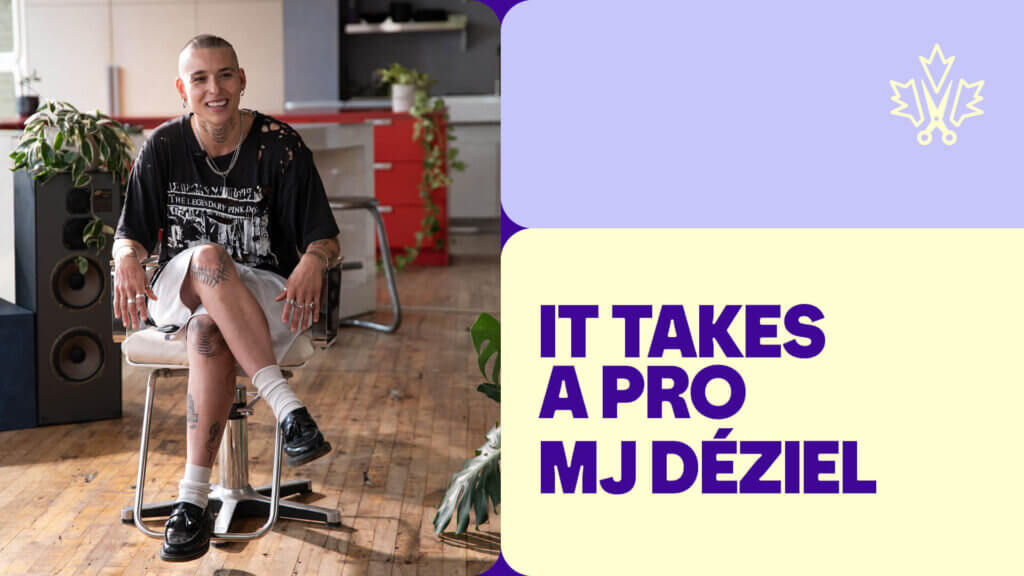
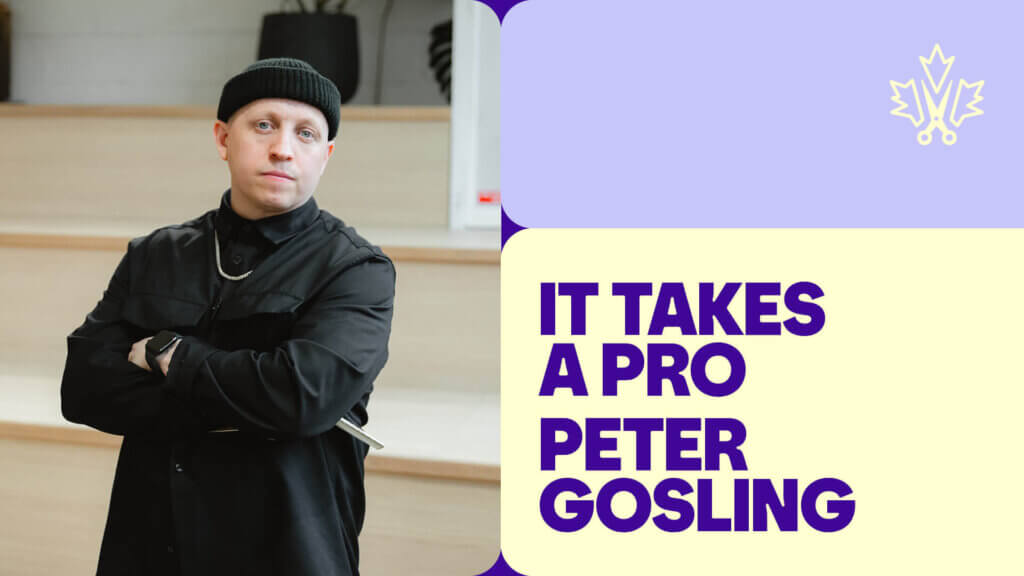
It Takes a Pro follows hairstylists across SalonCentric Canada, at every stage of their journey. Because this industry is about more than great hair. It’s about the passion, the dedication, and the moments that shape who you become behind the chair.
 At SalonCentric Canada, we’re here to support that journey. With the education, community, and resources you need to keep moving forward. This campaign brings real stories to the forefront. The ones behind the craft.
From first sparks of inspiration to the turning points that change everything, each stylist represents a milestone. A reminder that growth isn’t one moment. It’s continuous. Always evolving.
Because it takes more than talent to succeed in this industry.
It takes a Pro.
Founder and Creative Director, APART Studio, Montreal
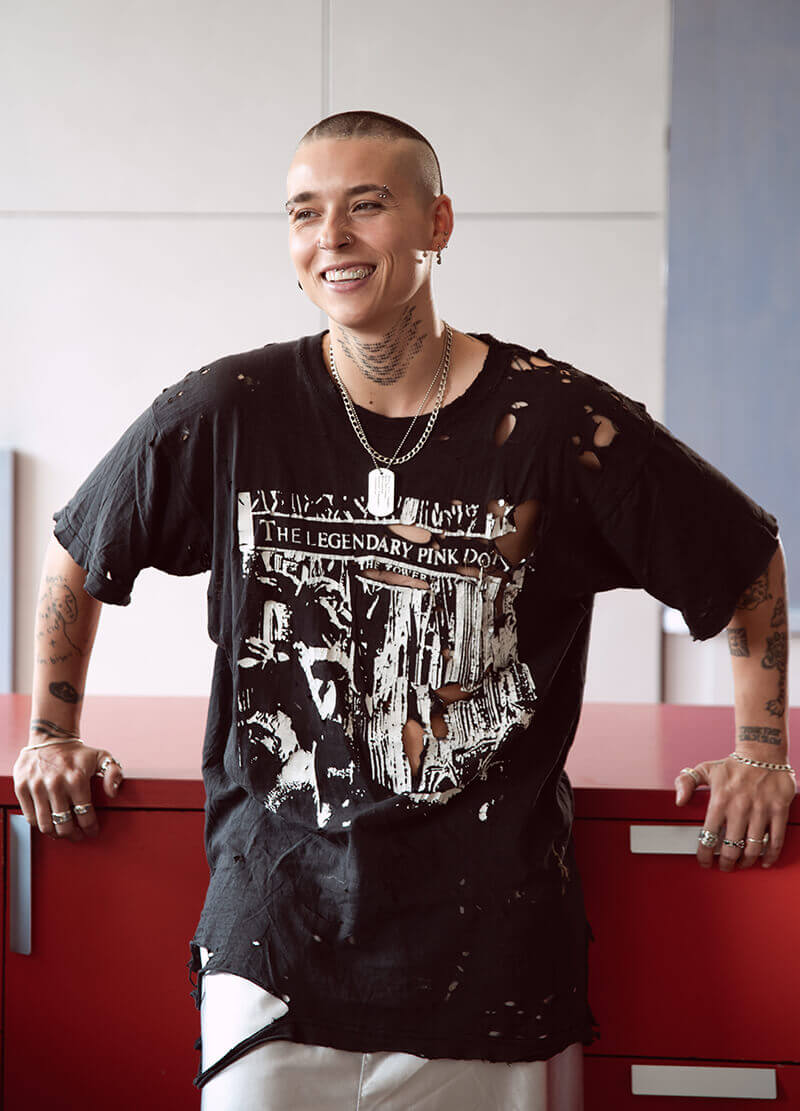
MJ Déziel did not grow up planning a career in hair. Her mother worked at L’Oréal, and MJ spent her teens hanging around the office, fifteen or sixteen years old, taken with the people more than the products. Then one summer a friend asked her to model at a hair convention, and she said yes without thinking twice.
“It was my first introduction to the hair world. Big stages, big sound, people with microphones. I thought, I can’t be a rock star, so I’m going to do hair and I’m going to get on that stage.”
Until then, hair had been something she got done because she needed it. A year later she enrolled in hairdressing school, and it turned out to be the first classroom that worked for her. Good relationships with her teachers, good grades for the first time, and a way of learning that suited her: a bit of theory and a lot of practice with real clients.
“I have a big personality, I could talk to people, and I was getting paid to play with hair.”
She had also studied graphic design for a while. She is quick to say she is not a designer, but credits it with sharpening her eye and taking her to the places where hair meets fashion.
She graduated at nineteen, started behind the chair, and started saying yes: international work, projects, knocking on doors to fund the campaigns she believed in. The studio came later, and it came from the same instinct that got her on that first stage.
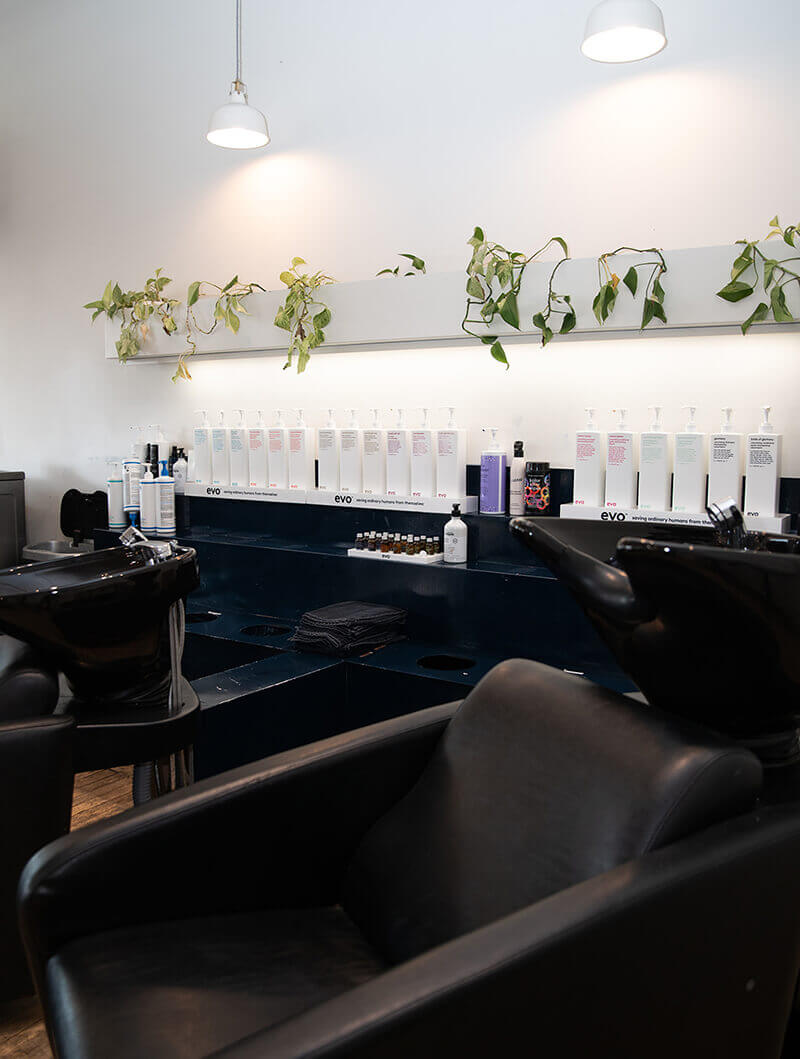
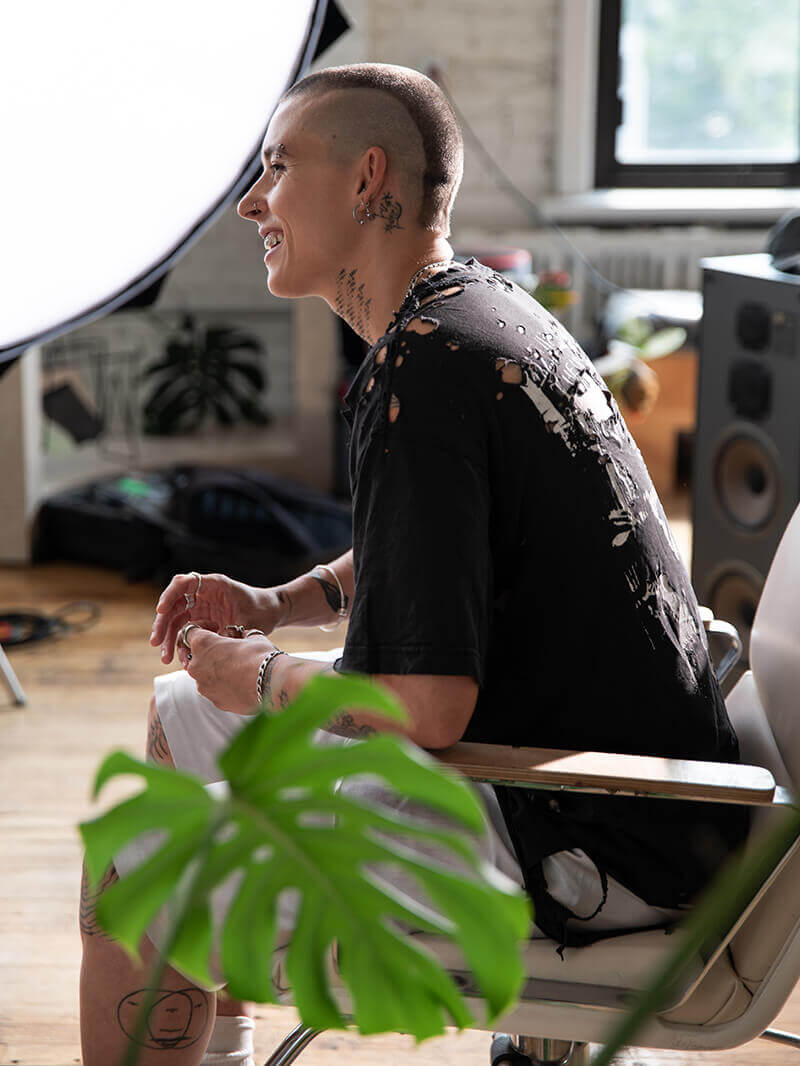 For MJ, the space came before the business plan. APART opened to answer a need she could not find anywhere else in a very traditional industry, a place where hair is a language for self-expression, for her team and for the person in the chair.
“If there is no space for me, I will create it. That’s how my head has worked since I was young.”
She is quick to draw the line on what self-expression actually means. It is not a look, and it is not a requirement.
“You don’t need green hair or a head like mine to express yourself.”
At APART, nobody walks in needing a haircut. They walk in wanting one. Clients research the studio, choose their stylist by style and personality as much as by technical skill, and arrive with a project in mind. That changes the appointment before it even starts.
“You come here and we collaborate on a look with you, to bring you to the next version of yourself.”
It also changes who she hires. MJ recruits for the things she believes cannot be taught, curiosity, generosity, listening, drive, taste, an eye for aesthetics. Technique is handled in house, through a workplace apprenticeship program and two mentors who take her young stylists by the hand. A creative industry, she is careful to say, is not a free-for-all. There is rigour and there are standards, and inside them, a lot of freedom.
“I don’t want to teach you a technique or a look. I want you to understand the why. Then I know you can apply it.”
Her drive works the same way. When MJ has an idea, it has to happen, so she breaks the ambition down rung by rung until the last step is small enough to simply do. An international career means national work. National means regional. Regional means assisting someone. Assisting means knowing a stylist who does it. And that means picking up the phone.
“In my head, everything is possible. I’ll find a way to get there.”
.
“All of a sudden it becomes possible, because it’s a phone call.”
She is the first to say the ideas need grounding, and credits her business partner for being the one who tells her which ones are viable and which ones stay on the shelf.
What she is proudest of is not the growth. It is the room itself, the team working somewhere they value, the relationships built inside it with photographers, models, and collaborators.
“I’ve always had it in my mind to create space rather than build business. It’s human first.”